
Can AI-simulated survey respondents be trusted? AskAI turns the century-old science of measurement onto large language models — validating when silicon samples work, where they fail, and how to tell the difference.
About the project
Survey research measures societies by asking their members — but no survey can interview the publics of the past, or observe the same society under a different set of circumstances at once. Large language models (LLMs), trained on humanity’s recorded traces, have begun to blur that limit through a practice known as silicon sampling: prompting AI to role-play survey respondents and generate simulated public opinion data.
AskAI asks whether these AI-simulated (“silicon”) survey respondents can actually be trusted. The project treats this as a measurement question with a century-old science behind it, turning the tools of psychometrics and survey methodology onto LLMs to systematically test, validate, and benchmark their use in social science — an approach the project calls siliconometrics. The goal is to establish where silicon samples work, where they fail, and how researchers can tell the difference, with an emphasis on open, transparent, and ethical use of European AI models.
AskAI is funded by an EXCELLENCE_25 ERC preparatory grant awarded to PI Levente Littvay by the Hungarian National Research, Development and Innovation Office. A reworked AskAI proposal was resubmitted to the European Research Council’s Advanced Grant 2026 call in August 2026.
Principal Investigator
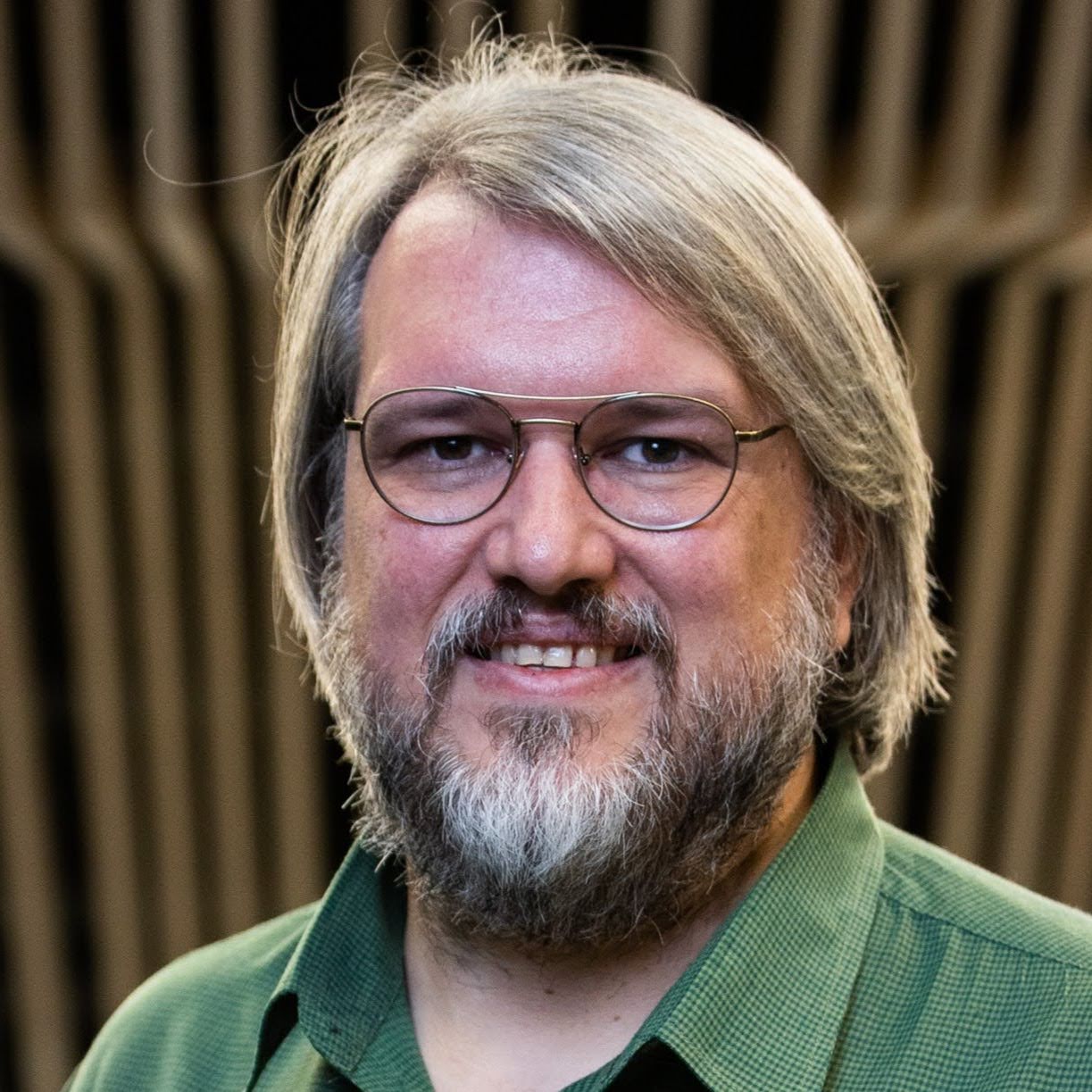
Levente Littvay is Research Professor at the ELTE Centre for Social Sciences and Senior Visiting Researcher at the Democracy Institute of Central European University (Professor of Political Science, 2007–2023). His research focuses on populism, political psychology, voting behavior, and quantitative methodology, with particular expertise in multilevel and structural equation modeling. He holds advanced degrees in political science and survey research methodology from the University of Nebraska–Lincoln.